
Discover Unionville: Markham’s Historic Village with Modern Appeal
16.10.2025Best Reasons for Moving to Yorkville — Ultimate Guide 2025
29.10.2025Thinking of moving to North York? Great choice! North York is famous for its mix of urban convenience and suburban comfort, offering excellent schools, diverse restaurants, beautiful parks like Edwards Gardens, and easy access to downtown Toronto which makes it a vibrant place to live.
Whether you’re coming from another country, moving within the GTA, or simply seeking a new environment, this article has everything you need. With up-to-date statistics and local insights, it will help you make a well-informed choice.
Why Relocating North York Might Be Ideal for You?
North York, a dynamic district in the northern part of Toronto, combines the convenience of urban living with the charm of peaceful residential neighborhoods. With its accessible subway lines, major transit hubs, tree-lined streets, and detached homes, North York offers a unique blend of cultural diversity, economic opportunity, and modern amenities—making it an appealing choice for your next home.
The area is diverse and vibrant, with a strong immigrant and newcomer population. It offers excellent transit connections through the TTC subway, GO Transit, and nearby highways, making it ideal for commuters. Real estate options are varied, though prices are on the higher side. With easy access to schools, shopping, parks, and other amenities, North York neighbourhood is highly appealing to both families and professionals.
Demographics
Population Growth Overview (2015–2025)
- 2016 Census: The population of York Region, which includes North York, was approximately 1,109,909, marking a 7.5% increase from 2011 Statistics Canada.
- 2021 Census: York Centre, a federal electoral district encompassing parts of North York, had a population of 108,307, reflecting a 3.8% increase from 2016 Statistics Canada.
- 2025 Estimates: While specific 2025 data for North York is not yet available, projections based on past growth rates suggest continued population increases.
Housing — Home Buying & Renting
When moving to a new city or area, housing is often one of the most significant financial and lifestyle decisions. North York, a major district within the Greater Toronto Area (GTA), offers a variety of housing options, ranging from high-end luxury homes to more affordable condos and townhouses.
Buying a Home
- As of September 2025, the median list price in North York was about CAD $1,044,511.
- In the GTA neighbourhood breakdown, some of North York’s affluent pockets like Ledbury Park and Hogg’s Hollow have median sold prices around $2.56 million to $2.6 million.
- For more accessible options: in the neighbourhood around North York City Centre, the median list price was around CAD $658,888 in September 2025.
Renting
- According to a 2025 rental guide: average rent in North York is approx CAD $2,499 for a one-bedroom unit and CAD $3,216 for a two-bedroom.
- Note: those near major transit hubs tend to command 10-20% higher rents, and vacancy rates remain low (about 1.5% in the article) leading to strong demand.
More Accessible Options: For buyers looking for more moderately priced homes:
North York City Centre and surrounding neighbourhoods provide more affordable options. In September 2025, the median list price in this area was around CAD $658,888. These areas are popular with first-time homebuyers, young professionals, and families who want to remain close to downtown Toronto while avoiding the higher price tags of luxury enclaves.
Neighbourhoods of North York
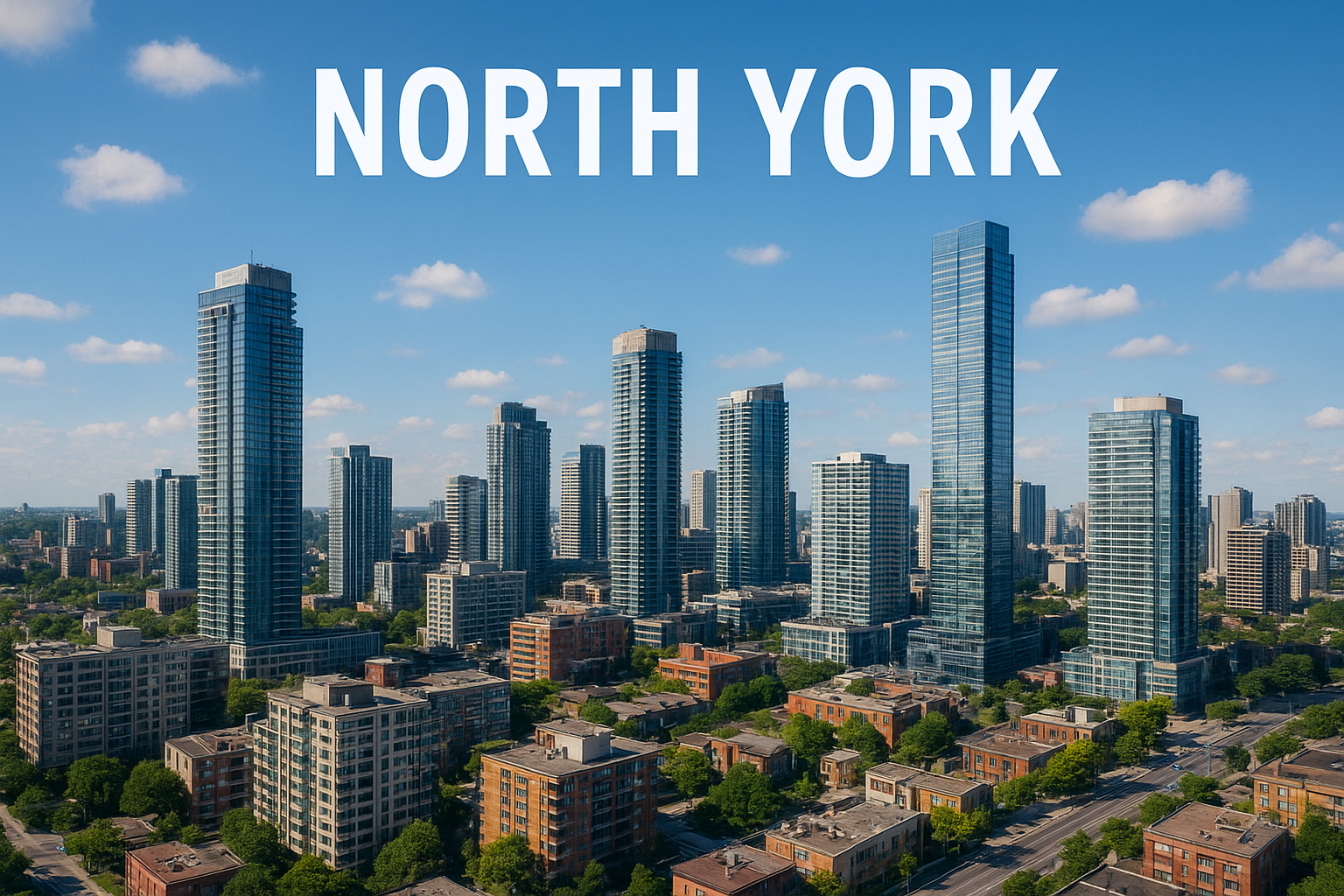
Moving to North York Made Easy: Tips, Neighborhoods & Costs
Yonge–Sheppard / North York City Centre / Yonge–Finch: The heart of modern North York with a skyline of high-rise condos, office towers, and restaurants. Excellent transit connectivity (Line 1 subway, GO Bus, and TTC routes). Ideal for young professionals and singles seeking an urban lifestyle with walkable access to shops, cafes, and entertainment.
Willowdale: A vibrant community blending new condo developments with older detached homes. Known for great schools, family-friendly parks, and a multicultural food scene along Yonge Street. Close to Finch subway station and Mel Lastman Square.
Bayview Village: Upscale and quiet, centered around Bayview Village Shopping Centre. Mix of luxury condos and large single-family homes. Offers access to highly ranked schools and beautiful parks like East Don Parkland. Convenient to Bayview subway and Highway 401.
Don Mills / Banbury–Don Mills: One of Toronto’s first planned communities, known for its leafy streets, mid-century homes, and The Shops at Don Mills outdoor mall. Popular with families for its parks, community centres, and good schools. Close to the DVP for easy commuting.
York Mills / St. Andrew–Windfields: Exclusive and residential with sprawling estates, tree-lined streets, and top-rated private and public schools. Close to the Rosedale Golf Club and scenic ravines. Ideal for established families seeking prestige and quiet.
Hogg’s Hollow: A picturesque luxury enclave in a wooded valley near Yonge and York Mills. Characterized by multimillion-dollar homes, winding streets, and a secluded feel — yet close to transit and amenities.
Ledbury Park / Bedford Park: Highly sought-after for its elegant detached homes and family atmosphere. Great access to Avenue Road boutiques, top schools, and parks. Appeals to professionals and families wanting proximity to downtown while maintaining a residential setting.
Downsview / Keele–Wilson: A more affordable option with older homes, townhouses, and growing condo developments. Close to York University and Downsview Park — a massive green space with trails, sports fields, and events. Convenient access to the new Line 1 extension and Highway 401.
Flemingdon Park / Victoria Village: Diverse and more budget-friendly, with older apartment towers and newer condo redevelopments. Close to the upcoming Ontario Line stations and major shopping centres. Good for newcomers seeking value and proximity to midtown or downtown.
Bathurst Manor / Clanton Park: Established mid-century neighbourhoods with a strong community vibe. Detached homes and bungalows dominate, with good schools and TTC access. Close to Yorkdale Mall and Sheppard West subway station.
Newtonbrook / Pleasant View: Quiet, suburban-feeling areas near Finch and Victoria Park. Offer a mix of single-family homes and low-rise apartments. Known for community parks, local schools, and accessibility to both Yonge and Don Mills transit corridors.
Living Cost of North York
North York’s overall cost of living is high (reflective of the Greater Toronto Area) — likely requiring C$3,000-4,000/month for a single person renting, and considerably more for a family. Income levels are strong, housing and utilities are steep.
Income and Employment
- Median household income (before taxes) for North York (2020) is about C$84,000.
- Average household income (before taxes) for North York is about C$86,000.
Housing
In North York in 2025, average rents are estimated at:
- One-bedroom: ~ C$2,499/month
- Two-bedroom: ~ C$3,216/month; For comparison, the City of Toronto average market rents for 2025: 1-bedroom ~ C$1,715; 2-bed ~ C$1,985.
Transit & Commute
- The local transit operator Toronto Transit Commission (TTC) offers a monthly adult pass at C$156/month as of 2025.
- Given North York’s good connectivity (subway, buses, regional rail), commuting by transit is feasible.
Additional costs (parking, car ownership, insurance, fuel) would increase costs significantly if using a personal vehicle.
Schools and Education
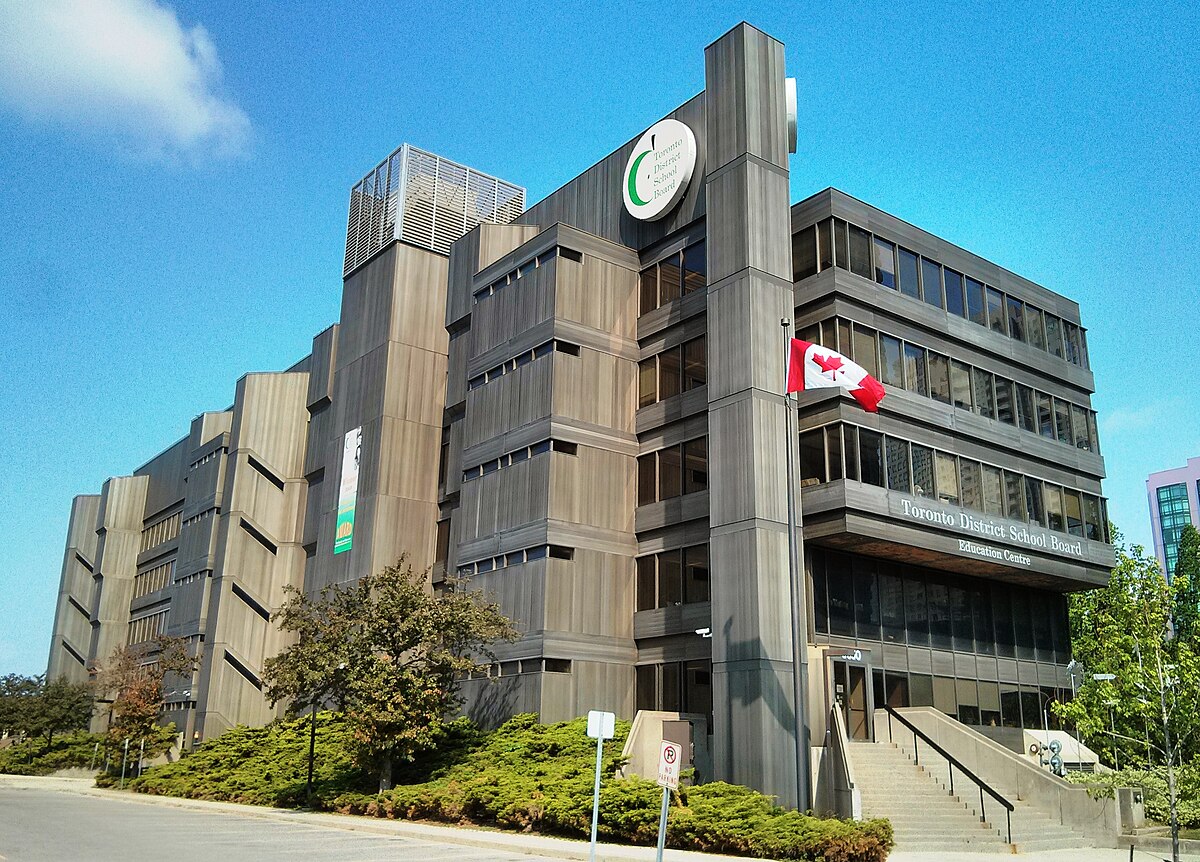
School boards:
The area is served by the Toronto District School Board (TDSB) for public English education and the Toronto Catholic District School Board (TCDSB) for public Catholic English education. Families seeking French-language education can access schools operated by the (CSV) and the (CSCM).
In addition to these public options, there are numerous private and independent schools offering specialized curricula, alternative learning approaches, and international programs to suit diverse educational needs.
Elementary and secondary education:
Given the high proportion of educated residents and families, the area features a strong network of elementary and secondary schools, along with daycare centres, preschools, and after-school programs. Parents can also find enrichment programs focused on the arts, STEM, and language development, reflecting the community’s emphasis on academic excellence and cultural diversity.
Many of these facilities are conveniently located along major corridors such as Yonge Street, Finch Avenue, and Sheppard Avenue, making them easily accessible by public transit.
Post-secondary education:
For higher education, North York is home to York University, one of Canada’s leading research institutions, located in the York University Heights area. The presence of the university contributes to a dynamic student and residential mix, supporting local businesses, cultural activities, and housing options tailored to students and young professionals.
In addition, the nearby Seneca College Newnham Campus offers a wide range of diploma and certificate programs, further enhancing educational opportunities within the community.
Employment and Work Opportunities
North York boasts a robust and diversified economy, with key sectors including financial services, technology, education, aerospace, healthcare, and retail. Major employers encompass global tech firms like Google and Microsoft, financial institutions such as HSBC and BMO, educational institutions like York University and Seneca College, aerospace companies including Bombardier, and healthcare providers like Sunnybrook Health Sciences Centre. The region also features prominent retail centers like Yorkdale Shopping Centre and CF Shops at Don Mills.
Key Industries:
- Financial Services: North York hosts major banks and investment firms, including HSBC, TD, BMO, RBC Capital Markets, and Manulife, contributing significantly to the local economy.
- Technology & Telecommunications: The area is home to Canada’s largest tech hub at MaRS Discovery District, with offices of global tech giants such as Google, IBM, Microsoft, Apple, and Oracle. Telecom companies like Bell Canada and Rogers Communications also have a strong presence.
- Education: Institutions like York University and Seneca College offer a wide range of educational opportunities, attracting students and professionals alike.
- Aerospace: Companies like Bombardier and Pratt & Whitney operate in North York, providing high-tech jobs in the aerospace sector.
- Healthcare: Healthcare providers such as Sunnybrook Health Sciences Centre and Humber River Regional Hospital are located in North York, offering a range of medical services and employment opportunities.
- Retail: Prominent shopping centers like Yorkdale Shopping Centre and CF Shops at Don Mills contribute to the retail landscape, offering diverse shopping experiences.
HealthCare
Major Hospitals
North York General Hospital (NYGH) — A large community academic hospital known for its high-quality care and patient-focused services. NYGH offers comprehensive emergency, maternity, ambulatory, and specialty services, supporting both acute and long-term care needs.
The hospital also serves as a teaching site for the University of Toronto, providing training for medical students and residents. Its main campus is located at 4001 Leslie Street, with additional community sites across North York.
Sunnybrook Health Sciences Centre (Bayview Avenue) — One of Canada’s leading academic health sciences centres, Sunnybrook is renowned for its trauma, veterans’, rehabilitation, and specialty care programs. It serves a wide area including North York and beyond. The hospital is a key trauma centre for Toronto and is deeply involved in medical research, innovation, and education through its affiliation with the University of Toronto.
Humber River Regional Hospital — Recognized as one of North America’s most digital and technologically advanced hospitals, Humber River provides high-quality, efficient care to residents in northwest North York and the York region. The hospital operates several campuses and offers a wide range of programs, from emergency and surgical services to women’s health and chronic disease management. Its modern design emphasizes patient comfort and sustainable healthcare delivery.
Community Health Centres (Primary Care + Community Programs)
Black Creek Community Health Centre (Sheridan Mall & Yorkgate sites) — Provides accessible, culturally sensitive family health services and a variety of community-based programs. These include chronic disease prevention, youth engagement, seniors’ wellness, and newcomer support. The centre is dedicated to improving health equity in the Black Creek and Jane–Finch areas.
Unison Health & Community Services (Bathurst–Finch Hub, Jane–Trethewey, etc.) — A multi-service community health centre offering a holistic approach to care. In addition to primary medical services, Unison provides mental health counselling, settlement support for newcomers, seniors’ programs, and community development initiatives. Its various hubs across North York make it an essential resource for local residents.
Centre francophone du Grand Toronto (North York / Fairview / clinics) — The primary provider of French-language healthcare and community services in Toronto. The centre offers family medicine, nursing, counselling, and social services tailored to the needs of the francophone community. Its North York and Fairview locations make care more accessible for French-speaking residents in the area.
Urgent-Care & Walk-In Clinics
Local clinics such as Dufferin Family Care Centre (Primacy), Bathurst Walk-In Clinic, and Appletree Medical Centre (Keele) provide convenient, same-day medical care for non-life-threatening conditions. These clinics are ideal for addressing minor injuries, infections, or other urgent health concerns outside of regular office hours. Many operate evenings and weekends, reducing the need for emergency room visits.
Parks
- Earl Bales Park: Spanning 127 acres, Earl Bales Park is a year-round destination. In winter, the North York Ski Centre offers skiing and snowboarding on its slopes. The park also features forested trails, a sensory garden, and the Barry Zukerman Amphitheatre, which hosts various cultural events. It’s a perfect spot for both relaxation and adventure.
- Downsview Park: Located on the site of a former military base, Downsview Park is a large urban green space offering a mix of recreational activities. The park features walking trails, sports fields, and hosts cultural events and festivals throughout the year. It’s a hub for community gatherings and outdoor activities.
- G. Ross Lord Park: This park is known for its wide, paved paths, ideal for walking, biking, or pushing strollers. The lush greenery and picnic areas make it a perfect place to relax after a walk. It’s a family-friendly park that offers a peaceful retreat within the city.
- High Park: Although slightly south of North York, High Park is Toronto’s largest public park and offers a variety of attractions. It features walking trails, sports facilities, a zoo, and Grenadier Pond, which is popular for fishing. The park is also known for its cherry blossoms in spring and is a favorite among locals and visitors alike.
- Sunnybrook Park: Sunnybrook Park is a spacious park offering large picnic areas, BBQ facilities, and trails for hiking or cycling. It’s an ideal spot for a family gathering or a leisurely day outdoors. The park’s serene environment provides a perfect escape from the hustle and bustle of city life.
5 Practical Relocation Tips for Moving to North York
- Explore Neighborhoods First: North York has a variety of neighborhoods, each with its own vibe—from bustling urban centers to quiet, family-friendly areas. Take some time to visit local parks, shops, and cafes to find a spot that feels like home.
- Plan Your Commute: North York has excellent public transit options, including the TTC subway and bus networks. Knowing your route to work, school, or other key places will help you settle in smoothly and save time once you arrive.
- Connect with Local Amenities: Discover nearby grocery stores, healthcare facilities, gyms, and entertainment spots. North York is full of convenient amenities, and having your favorites mapped out can make your first weeks much more comfortable.
- Prepare for Seasonal Changes: Toronto winters can be snowy and chilly! Make sure your new place is ready for the season, and stock up on essentials like warm clothing, winter tires, and cozy home items.
- Make Moving Fun, Not Stressful: Packing, transporting, and unpacking can feel overwhelming—but it doesn’t have to! Hiring a professional moving service can turn the process into a smooth, stress-free experience, leaving you more time to explore North York and enjoy your new home.
The Best Moving Company in North York

Takeoff Moving Company
Thinking about moving to North York? Let Takeoff Moving Company handle it. From neighbourhood moves around Toronto to trips up to Barrie or North York, we deliver customized moving services — packing, storage, and transport — built to fit your budget and timing.
- Local & long-distance relocations
- International moving assistance
- Professional packing, unpacking, and secure storage
- Trusted by families, students, and professionals
FAQs
Is North York a good place to live?
Yes, North York is considered a desirable area for families, professionals, and students. It offers a blend of urban conveniences and suburban charm, with a rich history, diverse culture, and an array of amenities. The district is constantly developing, and it has some very good schools.
Is North York a wealthy area?
North York includes some of Toronto’s wealthiest neighborhoods, such as The Bridle Path, known as “Millionaire’s Row,” where Toronto’s wealthiest residents reside. However, the area is diverse, with a mix of affluent and more affordable neighborhoods.
How safe is North York compared to other parts of Toronto?
North York is generally considered safe, with lower crime rates compared to some other parts of Toronto. In 2024, there were no homicides or shootings reported in the area, as well as significantly fewer incidents of robbery, assault, break-ins, and bicycle thefts than in other neighborhoods.
What is the demographic makeup of North York?
North York is highly multicultural, with 52% of residents being visible minorities. The largest ethnic groups include Chinese, South Asian, and Black communities. Filipinos are centered around Bathurst Street, while Koreans are predominantly in the eastern half of North York, especially in the Willowdale neighborhood.
